Pacman Frog

Amphibian Horned Frog Ambush feeder

Popular “horned frogs” in the genus Ceratophrys are round, ground-dwelling anurans that hunt from concealment. Their bold appetite and dramatic color morphs make them rewarding for keepers who prioritize humidity control and hygiene.
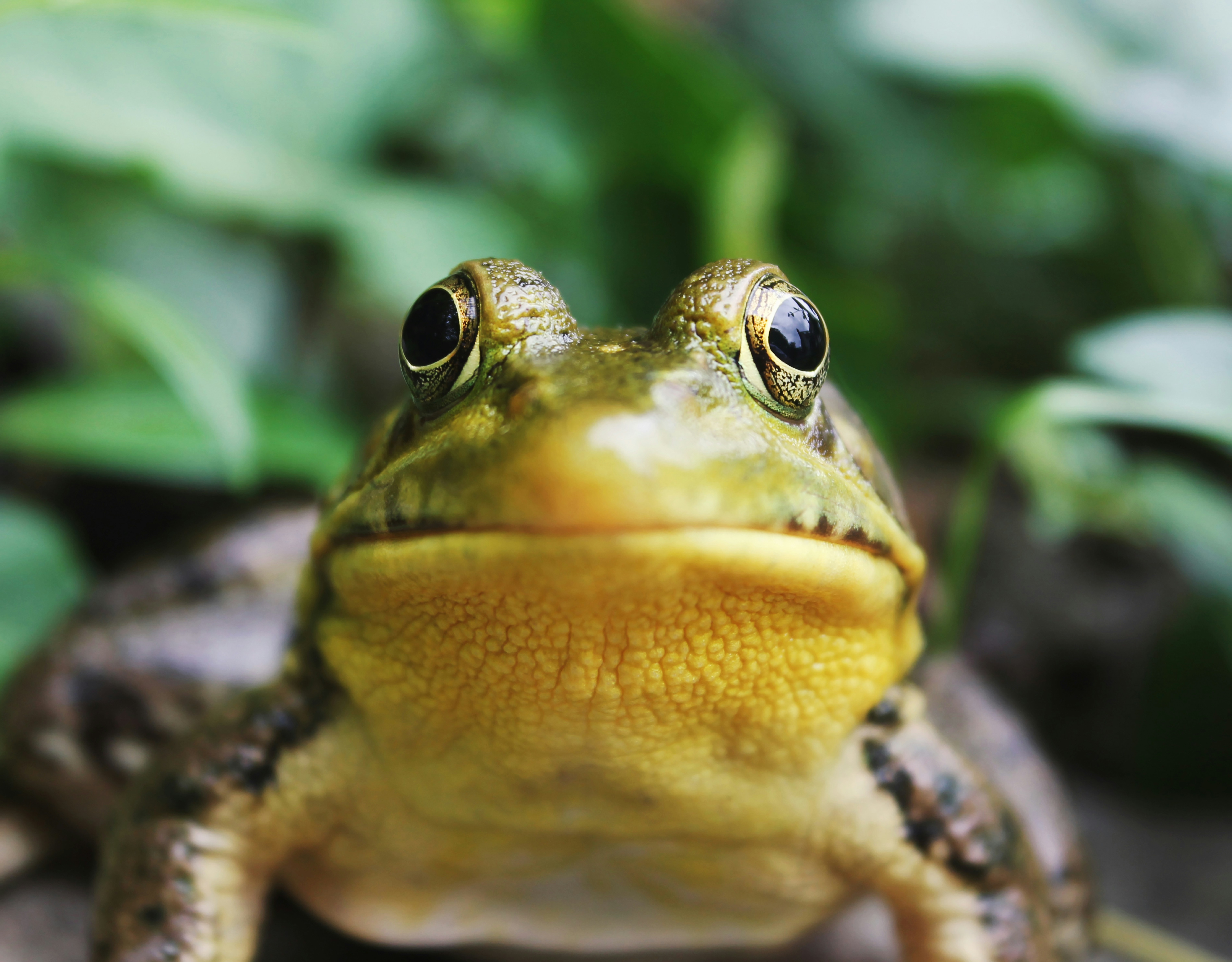
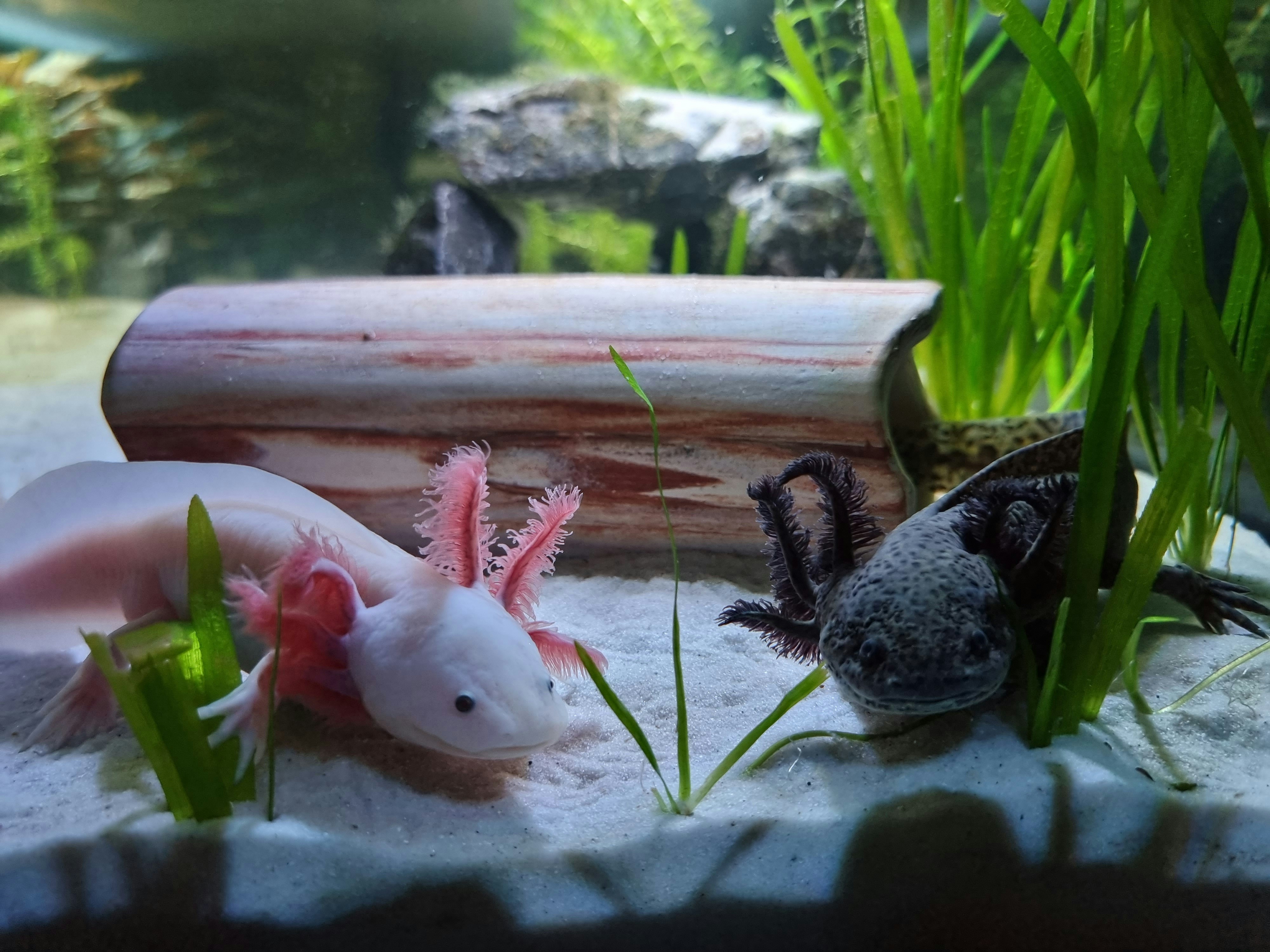
Pacman frog

Species Overview

“Pacman frog” usually refers to several Ceratophrys species bred in captivity, including the ornate horned frog (C. ornata) and the Cranwell’s horned frog (C. cranwelli). They share a sit-and-wait feeding strategy: a wide gape, short limbs, and eyes positioned for upward strikes at movement overhead.

Unlike treefrogs, they rarely climb. Buried up to the eyes in leaf litter or loose substrate, they conserve water and ambush prey that wanders too close. This lifestyle means enclosure design is less about vertical space and more about depth, moisture gradients, and predictable feeding hygiene.

Captive line breeding produced many color morphs. Regardless of pattern, welfare hinges on stable temperatures, clean water dishes, and avoiding chronic overfeeding that stresses joints and liver.

Scientific Classification

  • Kingdom: Animalia
  • Phylum: Chordata
  • Class: Amphibia
  • Order: Anura
  • Family: Ceratophryidae
  • Genus: Ceratophrys
  • Common species in trade: C. cranwelli, C. ornata (examples)

Natural Habitat

Horned frogs inhabit seasonally wet grasslands, forest edges, and agricultural margins across parts of South America. Rain pulses trigger breeding and surface activity; dry spells push animals deeper into leaf litter or soil where humidity persists in thin pockets.

In captivity, the goal is not to recreate a rainforest monsoon daily, but to provide stable moisture, clean water, and a thermal band that supports digestion without encouraging pathogens.

Terrarium targets (general)

  • Day air temp: mid–high 70s°F (~24–26°C) species-dependent
  • Night dip: small drop often tolerated if stable
  • Humidity: moderate–high with ventilation to prevent stagnant air
  • Photoperiod: consistent 10–12h light for circadian cues

Trade ethics

  • Prefer captive-bred animals with transparent origin
  • Avoid mixing wild-caught stock without quarantine plans
  • Research local laws—some jurisdictions restrict amphibian imports

Care Requirements

Housing

  • Low, wide enclosure with secure lid; prioritize floor space over height
  • Moisture-retentive substrate with a drainage layer if doing bioactive setups
  • Shallow water dish large enough to soak; refresh frequently—amphibians drink through skin
  • Provide leaf litter or cork hides; avoid sharp décor that can scrape the mouth
  • Spot-clean aggressively: uneaten feeders + humidity = pathogen risk

Temperature & humidity

Measure at substrate level, not only at the lid. Stagnant, swampy air invites secondary infections—balance moisture with airflow.

  • Use a digital hygrometer and probe thermometer; adjust misting to data, not routine alone
  • Never rely on heat rocks—localized burns are common in burrowing frogs

Diet

Feeders should be appropriately sized—over-large prey drives regurgitation and oral injury.

  • Staples: gut-loaded insects (dubia, crickets), occasional nightcrawlers for larger adults
  • Rotation beats monotony: vary minerals through feeder gut-load, not random powders alone
  • Juveniles eat more often; adults may feed on a leaner schedule—track body condition, not hype

Health and wellness

  • Red flags: persistent bloating, asymmetric swelling, ulcerated snout, or off-balance swimming
  • Parasites: fecal checks help—amphibians hide illness until late
  • Vet access: locate an exotic vet before emergencies

Behavior

  • Solitary by nature; cannibalism risk with size mismatches
  • Minimal handling—protective mucus layers matter
  • “Aggressive feeding” is a training artifact; prioritize precision and safety

Fun Facts

Lightning strikes

The strike is fast: jaws fold forward and the tongue helps secure prey in milliseconds.

Seasonal cycling

Many keepers simulate wet/dry seasons to support healthy weight and breeding readiness.

Morph diversity

Selective breeding produced striking colors—still the same humidity and hygiene rules.

Longevity

With disciplined care, a decade or more is possible—plan for long-term enclosure maintenance.

Quick Facts

Genus: Ceratophrys
Adult size: Species-dependent (often 10–15 cm)
Lifespan: Often 8–15+ years
Diet: Insectivore / carnivore
Wild status: Varies by species & region
Native Range: South America (broadly)