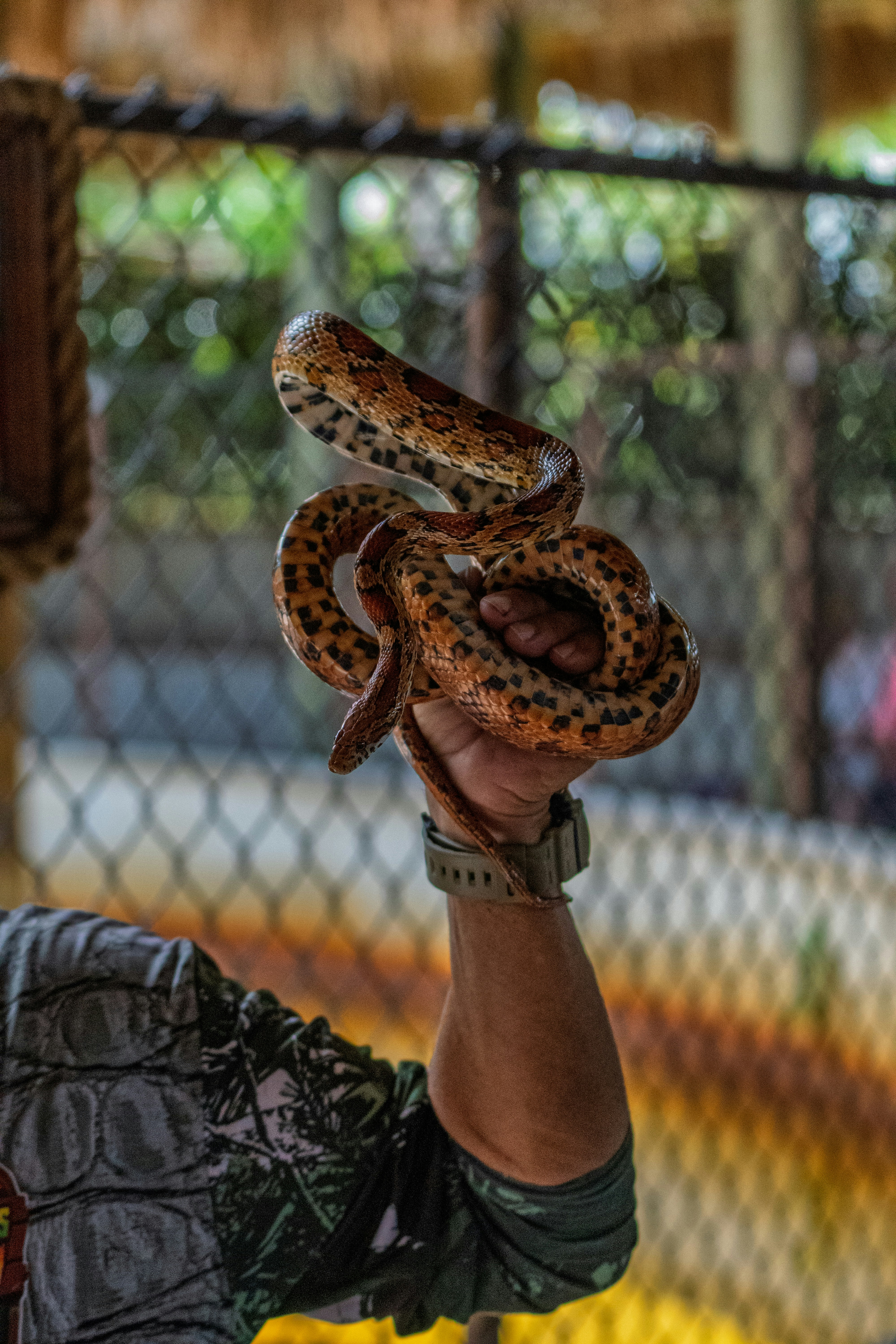
Proper handling is essential for the well-being of your exotic pet. Unlike traditional pets like dogs and cats, many exotic species have unique physical and behavioral characteristics that require special consideration when handling. Understanding these needs and using appropriate techniques can help minimize stress, prevent injury, and build trust between you and your pet.
Why Proper Handling Matters
Improper handling can have serious consequences for exotic pets, including:
- Physical injury from falls or rough handling
- Chronic stress leading to health problems
- Aggressive behavior due to fear or discomfort
- Damage to delicate skin, feathers, or scales
- Reduced lifespan due to stress-related illnesses
By learning proper handling techniques, you can create a positive experience for both you and your pet.
General Handling Guidelines
While specific handling techniques vary by species, there are some general guidelines that apply to most exotic pets:
- Approach slowly: Sudden movements can startle exotic pets. Always approach your pet calmly and from the front so they can see you coming.
- Support their body: Most exotic pets need full body support when being held. Avoid gripping too tightly or squeezing.
- Respect their space: If your pet shows signs of stress (hissing, hiding, flattening), give them space and try again later.
- Wash hands: Always wash your hands before and after handling your pet to prevent the spread of germs.
- Keep sessions short: Especially with new pets, keep handling sessions brief to avoid overwhelming them.
- Use positive reinforcement: Reward calm behavior with treats or praise to create positive associations with handling.
Species-Specific Handling Techniques
Reptiles
Reptiles have delicate skin and can be easily stressed. Here are some tips for handling common reptile species:
Bearded Dragons:
- Support their entire body, especially the belly and hind legs
- Allow them to walk onto your hand rather than grabbing them
- Avoid handling for at least 48 hours after feeding to prevent digestive issues
Ball Pythons:
- Support their body with both hands, one near the head and one near the tail
- Avoid sudden movements that might trigger defensive behavior
- Be gentle when unwrapping them from their enclosure
Amphibians
Amphibians have very delicate skin that can absorb chemicals and oils from your hands. Special care is required:
Axolotls:
- Always use wet hands when handling axolotls
- Support their entire body, as they have fragile limbs
- Minimize handling as much as possible, as they are sensitive to stress
- Avoid touching their gills, which are highly sensitive
Tree Frogs:
- Use clean, wet hands or wear powder-free gloves
- Support their body gently, avoiding the legs which can easily dislocate
- Be mindful of their sticky toe pads, which can become damaged if pulled
Small Mammals
Many exotic small mammals are prey animals by nature, making them easily frightened. Here's how to handle them safely:
Sugar Gliders:
- Use a pouch or bonding sack for initial handling
- Support their body fully, as they can glide unexpectedly
- Wear a long-sleeved shirt to protect against accidental bites
- Never grab them by the tail, which can break off
Hedgehogs:
- Use thick gloves until they become accustomed to handling
- Support their body from underneath, as they may curl into a ball
- Avoid sudden movements that might startle them
- Be patient - it may take time for them to uncurl and feel comfortable
Birds
Exotic birds have powerful beaks and delicate bones that require careful handling:
Parrots:
- Approach from the side, not above, as birds perceive overhead threats
- Support their feet with your hand, allowing them to perch comfortably
- Avoid grabbing their wings, which can cause injury
- Be mindful of their beak - even friendly birds may bite if scared
Finches and Canaries:
- Use a small net for catching if necessary, rather than grabbing with your hands
- Handle gently with cupped hands to prevent injury
- Minimize handling, as these small birds are easily stressed
Recognizing Signs of Stress
It's important to recognize when your pet is stressed and needs to be returned to its enclosure. Common signs of stress include:
- Hissing, growling, or other vocalizations of distress
- Attempting to bite or scratch
- Flattening of body, feathers, or scales
- Rapid breathing or heart rate
- Excessive struggling
- Changes in coloration (in some species)
- Freezing in place or attempting to hide
If you observe any of these signs, calmly and gently return your pet to its enclosure and try again later with a shorter handling session.
Emergency Protocols
Accidents are rare when routines are sound, but a written plan turns panic into steps. Keep species-specific critical numbers in your phone, a small transport container ready, and a “go bag” with towels, heat packs or cool packs as your vet advises, and any prescribed emergency meds. Rehearse capture and containment in calm moments so injury or escape does not become a second emergency.
A practical sequence
- Secure the scene: turn off heat lamps if there is a burn risk; block escape routes; keep people and pets calm and quiet.
- Stabilize: control bleeding with gentle pressure; support fractures without twisting; for suspected toxin, note substance and time—do not induce vomiting unless your vet instructs.
- Transport: line a ventilated container; maintain species-appropriate temperature en route; call ahead so the clinic can prepare.
- Follow up: log what happened, photos if safe, and any behavior changes in the 48 hours after.
Legal and welfare note: some species require specific authorities or documentation for movement or after-hours care—check local rules. When in doubt, an exotic or emergency vet line is always safer than crowdsourced forums.
Remember: Every pet is unique, and it may take time for your exotic pet to become comfortable with handling. Be patient, consistent, and always prioritize their safety and well-being.