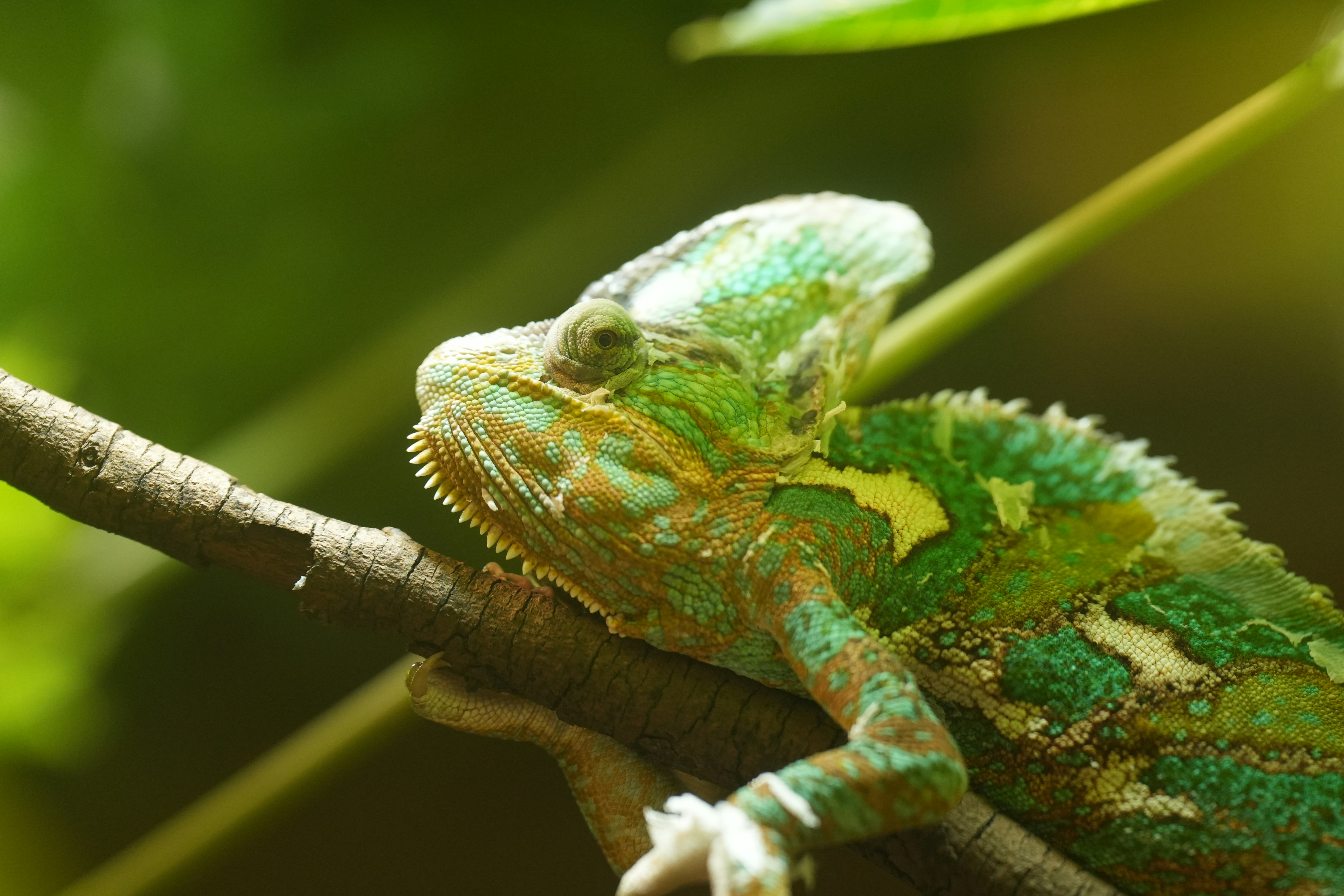
The habitat you provide for your exotic pet is more than just a cage or enclosure—it's their entire world. A well-designed habitat that replicates your pet's natural environment is essential for their physical health, mental well-being, and overall quality of life. In this guide, we'll explore the key elements to consider when creating the perfect habitat for your exotic pet.
Understanding Your Pet's Natural Environment
Before designing a habitat, it's crucial to research your pet's natural environment. Consider factors such as:
- Climate: Is their natural habitat tropical, desert, or temperate?
- Terrain: Do they live in trees, burrows, or open spaces?
- Vegetation: What types of plants are in their native environment?
- Lighting: How much sunlight do they receive naturally?
- Humidity: What is the typical humidity level in their habitat?
Choosing the Right Enclosure
The enclosure is the foundation of your pet's habitat. When selecting an enclosure:
Size Matters
Always choose the largest enclosure possible. Exotic pets need space to move, explore, and engage in natural behaviors. A cramped enclosure can lead to stress, health problems, and behavioral issues.
Material Considerations
Different materials work better for different species:
- Glass terrariums: Ideal for reptiles and amphibians that require specific humidity levels
- Wire cages: Suitable for birds and small mammals that need good ventilation
- Wooden enclosures: Great for many exotic mammals, but ensure they're properly sealed
- Plastic tubs: Can work for some species, but ensure adequate ventilation
Key Habitat Components
Substrate
The substrate is the material that lines the bottom of the enclosure. Choose a substrate that is safe, absorbent, and appropriate for your pet's natural habitat. For example:
- Reptiles: Coconut fiber, reptile carpet, or sand (for desert species)
- Amphibians: Moist sphagnum moss or bioactive substrates
- Small mammals: Aspen shavings, paper bedding, or fleece liners
- Birds: Paper, sand, or specialized bird bedding
Lighting
Proper lighting is critical for many exotic pets, especially reptiles and amphibians. Key lighting considerations include:
- UVB lighting: Essential for reptiles to produce vitamin D3, which helps them absorb calcium
- Heat lamps: Provide the necessary temperature gradient for reptiles and amphibians
- Day/night cycles: Most pets need a regular light/dark cycle to maintain their natural rhythms
Temperature and Humidity
Many exotic pets have specific temperature and humidity requirements. Use appropriate equipment to maintain these conditions:
- Thermometers: Monitor both ambient and surface temperatures
- Humidifiers/misters: Maintain proper humidity levels for tropical species
- Heating pads/ceramic heaters: Provide consistent heat for reptiles and amphibians
- Ventilation: Ensure proper air flow to prevent respiratory problems
Furniture and Enrichment
Furniture and enrichment items help replicate your pet's natural environment and provide mental stimulation:
- Branches and perches: Essential for arboreal species like sugar gliders and certain reptiles
- Hiding spots: Provide security for shy or nocturnal animals
- Plants: Live or artificial plants add visual interest and help maintain humidity
- Exercise equipment: Wheels, tunnels, and climbing structures promote physical activity
- Toys: Stimulate natural behaviors and prevent boredom
Habitat Design by Species
Arboreal Species (Tree-dwellers)
Species like sugar gliders, chameleons, and tree frogs need vertical enclosures with plenty of branches, vines, and climbing opportunities. Ensure there are multiple perching heights and hiding spots throughout the enclosure.
Terrestrial Species (Ground-dwellers)
Bearded dragons, tortoises, and hedgehogs need horizontal enclosures with plenty of floor space. Provide substrate for burrowing, hiding spots, and areas for basking or resting.
Aquatic Species
Axolotls, fish, and aquatic turtles need properly filtered water systems with appropriate temperature control. Include substrate, plants, and hiding spots in the aquatic environment.
Semi-Aquatic Species
Species like red-eared sliders and certain frogs need both aquatic and terrestrial areas in their enclosure. Ensure there's a gradual transition between the two environments.
Maintaining a Healthy Habitat
Creating the perfect habitat is just the beginning. Regular maintenance is essential to keep your pet healthy:
- Daily spot cleaning: Remove waste and soiled substrate daily
- Regular deep cleaning: Completely clean and disinfect the enclosure on a regular schedule
- Monitor conditions: Check temperature, humidity, and lighting daily
- Replace substrate: Change substrate as needed based on your pet's species and habits
- Inspect equipment: Regularly check heaters, lights, and filters for proper functioning
Habitat Checklist
- Appropriate enclosure size
- Suitable substrate
- Proper lighting (UVB if needed)
- Temperature gradient
- Correct humidity levels
- Hiding spots
- Enrichment items
- Clean water source