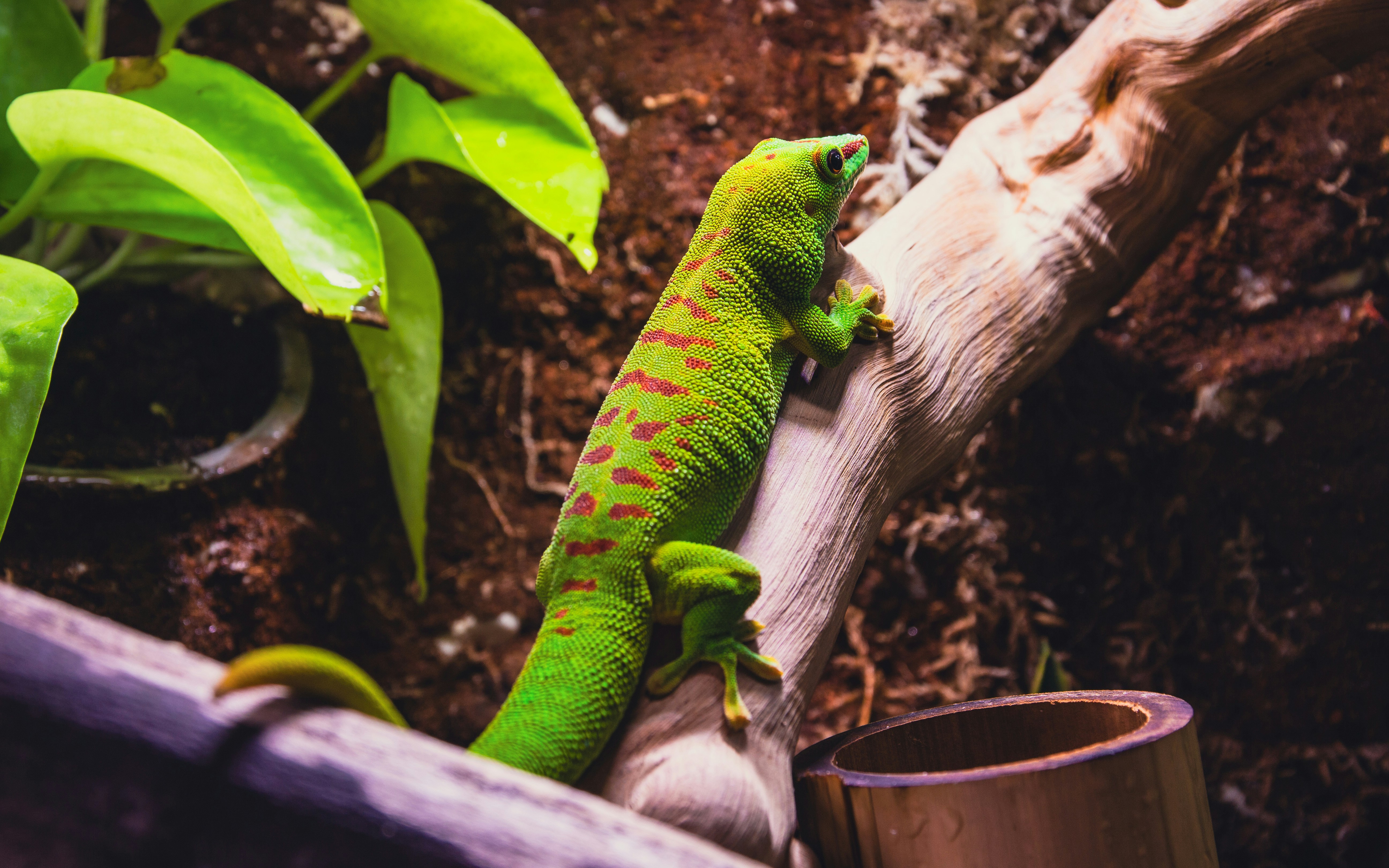
“Sustainability” in this hobby is not a seal on a product label. It is a set of decisions: whether a purchase pressures wild populations, whether your rack of lights runs efficiently, and whether you have a rehoming plan that does not dump risk on public lands or underfunded rescues. The following ideas are meant to nudge your practice toward long horizons—because most exotics will still be here when the latest social media trend is not.
Sourcing: Captive-Bred, Rescue, and Wild-Caught
Whenever ethically available for your species, prioritize animals bred under known conditions. Captive-bred does not automatically mean “better welfare,” but it does shift pressure off fragile wild sites and can give you transparent lineage and health baselines. If you adopt from a rescue, budget for quarantine, diagnostics, and often-long behavioral rehabilitation. Wild-caught import remains a fraught area governed by CITES, national law, and chain-of-custody—if a deal feels rushed or documentation is vague, walk away. Your wallet is a conservation lever.
Energy, Climate Control, and Footprint
Heating, cooling, and UV systems can dominate household electricity for dedicated keepers. Insulate glass terrariums sensibly, use thermostats on every heat source, and stack racks so warm air is not lost to a cold garage. Where safe, time lighting to the species’ true photoperiod instead of running twelve hours of full blast “because the room is dark.” Small gains—LED plant panels where UV is not required, reflective backing, room-level humidifiers instead of per-tank foggers—add up on the bill and the grid.
Checklist for a leaner setup
- Calibrate digital probes; guessing temperatures wastes power and health
- Group maintenance tasks to reduce open-door time in climate-controlled rooms
- Retire old heat mats that run continuously without feedback control
Plastics, Substrates, and Feeder Insects
Disposable décor and single-use feeding cups are convenient; they are also a steady stream of petrochemical waste. Choose washable ceramics, foraged hardwood (dried and parasite-aware), and bulk substrate from vendors who disclose origin. For feeder insects, local breeders reduce shipping stress for both bugs and carbon miles; rotate species for nutritional diversity and treat colonies humanely—overcrowded bins smell bad for more than your nose, they are welfare failures.
Rehoming With Dignity
The most sustainable enclosure is the one that stays filled by a prepared keeper. When life changes, plan transfers early: verify legality in the adopter’s region, send complete records, and never release non-native animals outdoors. A careful handoff is not glamorous content; it is how hobby-scale mistakes stop becoming ecosystem-scale problems.
Stewardship is cumulative. You do not have to be perfect; you have to be honest about trade-offs, willing to learn, and ready to put the animal’s life cycle ahead of a single season’s wish list.